Treatments & Holistic Therapies | Private Residential Care | Aston Private

Treatments and Holistic Therapies

The AP Concept

Personalised Treatments & Holistic Therapies

At Aston Private, we combine clinical treatment, one-on-one therapy, and holistic therapies to create a program tailored to you.

Each therapy has a specific purpose. Some treatments target a diagnosed condition, while others offer chances for movement, relaxation, expression, or reflection. Evidence for each approach varies, and we use complementary therapies alongside clinical treatment.

When we recommend treatment, we look at your health, situation, and what matters most to you. We work together to set priorities and choose the right care, and we review your program as your needs change.


Acupuncture

Acupuncture is a traditional Chinese medicine therapy where fine needles are placed at specific points on your body. There is evidence it can help with some pain conditions, but benefits depend on your condition and personal situation.[8]

Where appropriate, acupuncture may be considered as a complementary part of your program following a discussion of your health, preferences and treatment goals.

Acupuncture does not replace medical withdrawal management, psychological treatment, or prescribed medication. Your care team will decide if it is right for you.

Craniosacral Therapy

Craniosacral therapy is a gentle, hands-on practice that focuses on the craniosacral system, which includes the membranes and fluid surrounding the brain and spinal cord. Practitioners use light touch, usually around the head, spine and pelvis.[10]

At Aston Private, it may be offered as an optional, comfort-focused experience, depending on your preferences and clinical suitability.

Equine-Assisted Therapy

Equine-assisted sessions include guided activities with horses, such as observing, grooming, and interacting with them on the ground.

These sessions give you a chance to explore communication, boundaries, and how you respond to new situations, with time to reflect on the experience with your practitioner.

Research on equine-assisted approaches is still growing. Some reviews show promising results in certain settings, but stronger studies are needed to confirm their effectiveness for mental health conditions.[9]

Participation depends on your interests, clinical suitability, and the practitioner’s availability.

Personal Training & Physical Fitness

Physical activity is an enjoyable and practical way to support your health. Regular exercise can improve sleep, enhance wellbeing, and reduce symptoms of depression and anxiety. [4]

We tailor your exercise program to your health, fitness, interests, and treatment needs. It may include strength training, cardiovascular exercise, walking, or other suitable activities.

The focus is on achievable progress. Whether resuming exercise or maintaining a routine, sessions help you build sustainable habits beyond your program.

We adjust exercise recommendations as needed for medical conditions, injuries, or specific treatment requirements.

Pilates

Pilates is a low-impact exercise system that strengthens muscles, improves flexibility, and enhances body awareness through controlled movements and proper breathing.

Pilates offers a structured way to add movement to your program, with exercises tailored to your experience, comfort, and physical ability.

Your practitioner will check for any injuries, pain, or medical advice before suggesting exercises. The focus is on comfort and steady progress.

Medical Reviews & Psychiatric Support

Your program may include medical reviews and, where appropriate, consultations with a psychiatrist.

Psychiatrists are medical specialists who assess and treat mental health conditions. Their work may include diagnosis, psychological treatment, medication and advice about the most appropriate level of care.[3]

At Aston Private, these consultations help clarify your needs and inform treatment decisions. If your clinician recommends medication, they will explain its purpose, potential benefits, side effects, and monitoring requirements.

With your consent and in line with confidentiality requirements, relevant information is shared among your treating professionals to ensure coordinated care.

Psychological Therapy & Psychotherapy

One-on-one therapy gives you an opportunity to discuss factors affecting your wellbeing and identify practical management strategies.

Psychological therapies can assist with depression, anxiety, trauma-related issues, and substance use disorders. The recommended approach depends on your concerns, clinical needs, and preferences.[1] Therapies may focus on recognising unhelpful patterns, responding differently to difficult emotions, improving relationships, or developing strategies for challenging situations.

Your clinician may use cognitive behavioural therapy (CBT),  humanistic therapy, or other methods. CBT examines how your thoughts, feelings, and actions connect and helps you practise better ways to handle challenges.[2]

You and your therapist set meaningful goals together and regularly review how your progress applies to daily life.

Qigong

Qigong combines gentle movements or postures with breathing and focused attention. It can provide an alternative to more vigorous activity for clients who enjoy a slower, guided practice.[6]

Sessions may involve simple sequences performed standing or seated, depending on your physical needs.

At Aston Private, Qigong may be included as an optional movement and wellbeing activity. Your practitioner will adapt the session to your capacity and preferences.

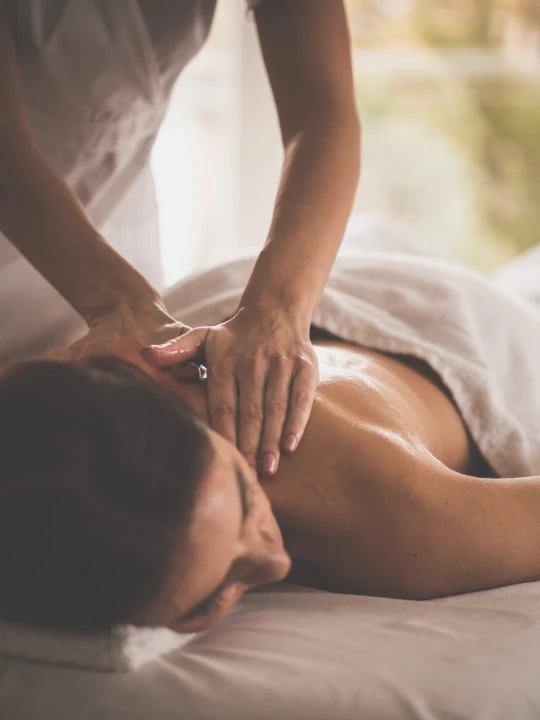
Remedial & Relaxing Massage

Massage works with your body’s soft tissues. Depending on the method, sessions can target sore muscles or offer a gentle, relaxing experience.

Research suggests massage may offer short-term relief for some painful conditions.[7]

Before treatment, your practitioner will discuss your health, areas of concern, preferred pressure and any reasons to modify or avoid massage.

Your comfort and consent guide the session. You can ask for the pressure, technique or treatment area to be adjusted at any time.

Art & Creative Therapies

Creative sessions give you another way to explore your experiences and interests. Activities can include drawing, painting, writing, music, or other ways to express yourself.

You do not need any artistic experience. Sessions are designed for your comfort and interests, giving you space to create and reflect without pressure to achieve a certain result.

References
  1. Healthdirect Australia. Psychotherapy—types and benefits.
  2. American Psychological Association. What is cognitive behavioral therapy?.
  3. Royal Australian and New Zealand College of Psychiatrists. What’s a psychiatrist?.
  4. World Health Organization. Physical activity.
  5. National Center for Complementary and Integrative Health. Meditation and mindfulness: effectiveness and safety.
  6. National Center for Complementary and Integrative Health. Qigong: what you need to know.
  7. National Center for Complementary and Integrative Health. Massage therapy: what you need to know.
  8. National Center for Complementary and Integrative Health. Acupuncture: effectiveness and safety.
  9. Equine-assisted therapy in post-traumatic-stress disorder: a systematic review and meta-analysis. Journal of Equine Veterinary Science. 2023.
  10. Ceballos-Laita L, et al. Is craniosacral therapy effective? A systematic review and meta-analysis. Healthcare. 2024;12(6):679.

Explore the full range of AP Concepts.